
-
×
 Premium DMT 800MG 1ML Vape + Battery
1 × $180.00
Premium DMT 800MG 1ML Vape + Battery
1 × $180.00 -
 Xanax (6mg) pressed (free gift)
 - Type:
Free Product
1 × Free -
×
 Super Silver Haze - Sativa Cheap Bud 28G
1 × $99.00
Super Silver Haze - Sativa Cheap Bud 28G
1 × $99.00 -
×
 Ketamine Nasal Spray - Type S Organic Grapefruit - Mindful Pharma
1 × $40.00
Ketamine Nasal Spray - Type S Organic Grapefruit - Mindful Pharma
1 × $40.00 -
 1 LSD TAB AND 1gram of Penis Envy Shrooms AND 50mg MDMA FREE
- Type:
Free Product
1 × Free -
×
 Stoner Patch Strawberry Gummies 500mg THC
1 × $13.00
Stoner Patch Strawberry Gummies 500mg THC
1 × $13.00 -
×
 3-MMC - 100MG
1 × $54.00
3-MMC - 100MG
1 × $54.00 -
×
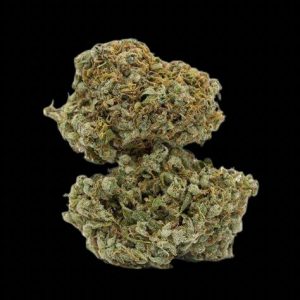 Jack Herer - Sativa Cheap Bud 28G
1 × $99.00
Jack Herer - Sativa Cheap Bud 28G
1 × $99.00
Psychedelics, MDMA
MDMA Therapy for PTSD: What the Latest Clinical Trials Reveal

13
Aug
Aug
Post-Traumatic Stress Disorder (PTSD) is a debilitating condition that affects millions, and for many, traditional treatments fall short. However, a beacon of hope is emerging from an unlikely source: MDMA-assisted therapy. Groundbreaking new research, particularly the recently concluded Phase 3 clinical trials, is shattering old paradigms and paving a new path towards healing. This article delves into the science, the results, and what the success of mdma therapy ptsd clinical trials could mean for the future of mental healthcare in Canada.
Understanding PTSD and Its Current Treatment Landscape
PTSD is more than just reliving a traumatic event. It’s a complex psychiatric disorder that can lead to intrusive memories, avoidance of trauma-related cues, negative alterations in mood and cognition, and hyperarousal. In Canada, it’s estimated that 9.2% of the population will suffer from PTSD in their lifetime. While treatments like SSRIs and trauma-focused psychotherapies are the current standard of care, they are not universally effective. Many patients experience persistent symptoms, and dropout rates from therapy can be high, leaving a significant unmet need for more effective interventions.
The Re-emergence of Psychedelic Medicine: A New Hope
After decades of being relegated to the fringes, psychedelic substances are experiencing a renaissance in medical research. Leading this charge is the Multidisciplinary Association for Psychedelic Studies (MAPS), a non-profit organization that has been instrumental in funding and designing the rigorous scientific studies needed to bring these powerful compounds into the mainstream. Their work has been pivotal in demonstrating the therapeutic potential of MDMA for PTSD.
A Deep Dive into the MAPS Phase 3 Clinical Trials
The MAPS-sponsored Phase 3 trials, MAPP1 and MAPP2, represent the final stage of research required for the U.S. Food and Drug Administration (FDA) to consider approving MDMA-assisted therapy as a legal prescription treatment. The results have been nothing short of remarkable. In the MAPP2 study, an astonishing 86.5% of participants who received MDMA-assisted therapy experienced a clinically meaningful improvement in their symptoms. Furthermore, by the end of the study, 71.2% of participants in the MDMA group no longer met the diagnostic criteria for PTSD. These results, replicated across two large-scale, diverse studies, offer compelling evidence for the efficacy of this novel treatment. The success of these mdma therapy ptsd clinical trials is a landmark achievement in psychiatric medicine.
How Does MDMA-Assisted Therapy Work? The Therapeutic Protocol
It is crucial to understand that this treatment is not simply about taking MDMA. The therapeutic protocol is a structured, intensive process involving three distinct phases: preparatory sessions, MDMA-assisted sessions, and integration sessions. During the MDMA sessions, patients are in a safe, controlled environment with two trained therapists. The MDMA itself acts as a catalyst, reducing the fear response in the brain and increasing feelings of trust and empathy. This allows patients to confront and process their traumatic memories without being overwhelmed, guided by the support of their therapists. The integration sessions that follow are essential for helping patients make sense of their experiences and translate their insights into lasting change.
The Science Behind the Breakthrough
MDMA works by promoting the release of several neurotransmitters, including serotonin, dopamine, and oxytocin. This neurochemical cascade is believed to be responsible for the substance’s unique therapeutic effects. By quieting the amygdala (the brain’s fear center) and enhancing connectivity between different brain regions, MDMA creates a ‘window of tolerance’ where traumatic memories can be re-evaluated and re-consolidated in a less threatening context. This neurobiological reset is what makes long-term healing possible.
What Could Legalization Mean for Canadians?
While MDMA is still a controlled substance in Canada, Health Canada’s Special Access Programme (SAP) allows for its use in specific, life-threatening cases where conventional treatments have failed. The success of the FDA-track mdma therapy ptsd clinical trials is expected to accelerate the path toward broader legalization and regulation in both the U.S. and Canada. This could mean that in the near future, MDMA-assisted therapy will be a recognized and accessible treatment option for all Canadians suffering from PTSD, covered by provincial health plans.
While therapeutic use of MDMA is still being studied, understanding the substance is key. For those interested in the properties of high-quality, lab-tested compounds, you can learn more about MDMA crystals here.
Your Trusted Partner in Psychedelic Wellness: Moon Houz
At Moon Houz, your safety and well-being are our top priorities. While we await the full legalization of MDMA-assisted therapy, we are committed to providing Canadians with access to high-quality, lab-tested psychedelic products. With over 80,000 verified reviews, we’ve built a reputation for trust and excellence. All our products are rigorously tested for purity and potency, and we offer discreet, reliable shipping with Purolator. We are dedicated to harm reduction and providing education to our community.
Ready to Explore?
Discover a new path to well-being. Browse our extensive selection of products and join a community of over 80,000 satisfied customers who trust Moon Houz for their psychedelic wellness journey.Browse All Products
Frequently Asked Questions (FAQ)
Is MDMA-assisted therapy safe?
The MAPS Phase 3 clinical trials have shown that when administered in a controlled, therapeutic setting, MDMA-assisted therapy has a good safety profile. The most common side effects are transient and include muscle tightness, nausea, and decreased appetite. Cardiovascular effects like increased heart rate and blood pressure are also temporary and monitored closely during sessions.
How is this different from taking ecstasy recreationally?
The difference is night and day. MDMA-assisted therapy uses a precisely dosed, pure form of MDMA in a structured therapeutic context with trained professionals. Recreational ecstasy often contains unknown adulterants and is used in uncontrolled settings without therapeutic support, which can be dangerous and lacks the integration process crucial for healing.
When will MDMA therapy be legal in Canada?
While there is no exact timeline, the positive results from the Phase 3 trials are a major step towards legalization. Health Canada’s Special Access Programme is a current pathway for some, and full legalization for therapeutic use is anticipated to follow FDA approval in the United States. The ongoing success of the mdma therapy ptsd clinical trials is a strong indicator that this treatment is moving towards mainstream acceptance.
The Patient Experience: Voices from the Trials
The statistics from the mdma therapy ptsd clinical trials are impressive, but the individual stories of transformation are what truly illuminate the power of this therapy. Participants in the trials have described the experience as life-changing, allowing them to access and process traumatic memories that were previously unbearable. Many report a newfound sense of self-compassion and a deeper connection to others. These anecdotal accounts, combined with the robust clinical data, paint a powerful picture of healing and recovery.
A Closer Look at the Therapeutic Protocol
The success of MDMA-assisted therapy is not just about the substance itself, but the carefully designed therapeutic container in which it is administered. The protocol, developed and refined by MAPS over many years, is a testament to the importance of a holistic approach to healing. Let’s break down the three phases in more detail:
Phase 1: Preparation
Before any MDMA is administered, patients undergo several non-drug psychotherapy sessions with their two-person therapy team. This phase is crucial for building trust and rapport, establishing therapeutic goals, and preparing the patient for the intense emotional work ahead. Patients are educated about what to expect during the MDMA sessions and are given tools to navigate challenging experiences that may arise.
Phase 2: The MDMA-Assisted Sessions
The core of the treatment consists of three 8-hour MDMA-assisted sessions, spaced approximately one month apart. During these sessions, the patient lies down in a comfortable room with the therapists present for the entire duration. The experience is largely internal, with the patient encouraged to focus on their inner world. The therapists are there to provide support, guidance, and a safe container for whatever emerges. The MDMA helps to lower the patient’s defenses and reduce the fear response, allowing them to revisit and reprocess their trauma from a place of safety and self-compassion.
Phase 3: Integration
Following each MDMA session, the patient participates in several non-drug psychotherapy sessions to integrate their experience. This is where the real work of healing happens. The insights and emotional breakthroughs from the MDMA session are discussed, processed, and woven into the fabric of the patient’s life. The integration phase is essential for translating the profound experiences of the MDMA sessions into lasting, meaningful change.
The Future of Psychedelic Therapy in Canada
The success of the mdma therapy ptsd clinical trials has created a ripple effect that is being felt around the world, including in Canada. While the legal landscape is still evolving, there is a growing recognition of the therapeutic potential of psychedelics. Organizations like the Canadian Psychedelic Association (CPA) are advocating for a regulatory framework that would allow for safe and equitable access to these treatments. The hope is that Canada will follow the lead of the U.S. and create a legal pathway for MDMA-assisted therapy to become a mainstream treatment option for PTSD.
For those who are interested in exploring the potential of psychedelics for their own well-being, it is important to do so in a safe and informed way. Moon Houz is committed to providing education and harm reduction resources to our community. We believe that everyone deserves access to the tools and knowledge they need to make empowered choices about their health.
Additional Frequently Asked Questions (FAQ)
What are the risks of MDMA-assisted therapy?
While the clinical trials have shown that MDMA-assisted therapy is generally safe when conducted in a controlled setting, there are some risks to be aware of. The most common side effects are transient and include increased heart rate and blood pressure, muscle tension, and nausea. There is also the potential for psychological distress, which is why it is so important to have trained therapists present to provide support. It is also important to note that MDMA can be neurotoxic at high doses, which is why the doses used in therapy are carefully controlled.
Who is a good candidate for MDMA-assisted therapy?
MDMA-assisted therapy is being studied for the treatment of severe PTSD in adults. It may be particularly helpful for those who have not responded to traditional treatments. However, it is not for everyone. Individuals with certain medical conditions, such as uncontrolled hypertension or a history of heart problems, may not be eligible. A thorough screening process is essential to ensure the safety of all participants.
How can I find a qualified MDMA therapist?
As MDMA-assisted therapy is not yet legal in Canada, there are no officially recognized training programs or certifications for MDMA therapists. However, as the legal landscape changes, this is expected to change as well. In the meantime, it is important to be cautious of anyone claiming to be an MDMA therapist. The therapists in the MAPS clinical trials have undergone extensive training and are held to the highest ethical and professional standards.
Conclusion: A New Era of Healing
The journey of MDMA from a stigmatized substance to a promising therapeutic tool is a testament to the power of rigorous scientific inquiry and the tireless dedication of researchers and advocates. The results of the mdma therapy ptsd clinical trials offer more than just hope; they provide a clear, evidence-based path forward for treating PTSD. As we stand on the cusp of a new era in mental healthcare, it is essential to continue supporting the research, advocating for sensible drug policy, and fostering a culture of open and honest conversation about the potential of psychedelic medicine. For those who have been suffering in silence, the future of healing is looking brighter than ever.
For more details, you can check out Moonhaus or its collection of psychedelics to know more about ketamine and its use in the treatment of mental health.
